
About
Services
Patient Information
Locations
About
Services
Patient Information
Locations
About
Services
Patient Information
Locations
About
Services
Patient Information
Locations

Common Ear Pain Causes In Adults And When To Get Help
Ear pain causes can range from simple earwax build-up to infections, jaw problems, sinus pressure, throat inflammation, or irritation in the ear canal. In adults, pain may come directly from the ear or be “referred” from another nearby area, such as the teeth, jaw, throat, or neck.
Most ear pain is not serious, but it should not be ignored if it is severe, persistent, keeps returning, or comes with hearing loss, discharge, dizziness, fever, or swelling.
What Usually Causes Ear Pain In Adults?
Adult ear pain is commonly caused by wax build-up, outer ear infection, middle ear infection, Eustachian tube dysfunction, jaw joint problems, dental issues, throat infections, sinus pressure, or skin irritation inside the ear canal.
The NHS notes that ear pain can be linked with symptoms such as hearing change, fever, sore throat, toothache, or pain when swallowing, which can help indicate the likely cause.
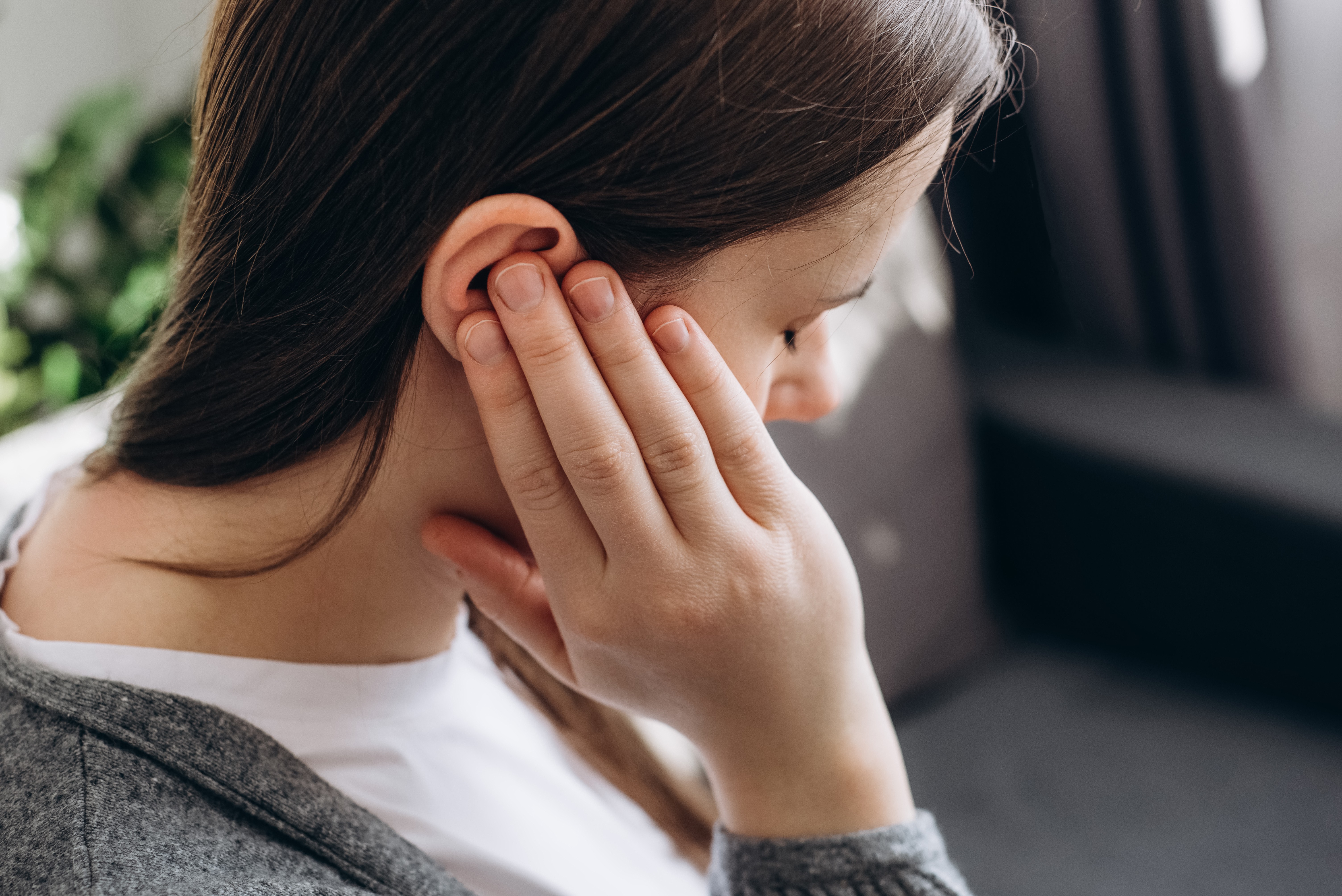
1. Earwax Build-Up
Earwax is normal and helps protect the ear, but too much wax can block the ear canal and cause discomfort.
Common symptoms include:
Ear pain or pressure
A blocked ear sensation
Muffled hearing
Ringing or buzzing in the ear
Dizziness in some cases
The NHS lists earache, hearing loss, tinnitus, and vertigo as possible symptoms of earwax build-up.
Earwax can sometimes be managed with pharmacy advice, but if symptoms persist, professional assessment is important. Some people search for wax removal when the real issue is infection, inflammation, or another ear condition.
Dr Eirini Lentari provides ENT-led support for ear-related concerns, including professional ear assessment and ear wax removal where appropriate.
2. Outer Ear Infection
Outer ear infection, also called otitis externa, affects the ear canal. It is sometimes linked to water exposure, irritation, skin conditions, or using cotton buds.
Typical signs include:
Ear pain that worsens when touching the ear
Itching
Redness or swelling
Discharge
A blocked feeling
Reduced hearing
Outer ear infections may need specific treatment, so repeated or worsening symptoms should be checked rather than repeatedly treated as wax.
3. Middle Ear Infection
Middle ear infections are often associated with colds, flu, or upper respiratory infections. They are more common in children but can affect adults too.
Symptoms may include:
Deep ear pain
Fever
Reduced hearing
Pressure in the ear
Feeling generally unwell
Fluid behind the eardrum
If pain is severe, lasts more than a few days, or is linked with discharge or hearing changes, medical assessment is recommended.

4. Eustachian Tube Dysfunction
The Eustachian tube helps equalise pressure between the middle ear and the back of the nose. When it does not work properly, the ear can feel blocked or painful.
This may happen after:
A cold
Sinus inflammation
Allergies
Flying
Diving
Nasal congestion
People often describe it as pressure, popping, crackling, or feeling as though the ear is underwater.
5. Jaw Joint Problems
Not all ear pain starts in the ear. The jaw joint sits close to the ear, so jaw tension or temporomandibular joint issues can feel like earache.
Possible clues include:
Pain when chewing
Jaw clicking
Teeth grinding
Facial tightness
Pain around the temple
Ear pain with a normal ear examination
This is one reason adult ear pain can be difficult to self-diagnose.
H2: 6. Dental Problems
Tooth infections, impacted wisdom teeth, dental abscesses, or gum inflammation can refer pain to the ear.
Dental-related ear pain may feel worse when biting or chewing and may be accompanied by tooth sensitivity, swelling, or bad taste in the mouth.
If ear pain comes with toothache, dental assessment may be needed.
7. Throat Or Tonsil Infections
Ear pain can occur alongside sore throats, tonsillitis, or pain when swallowing. This happens because the ear and throat share nerve pathways.
You may notice:
Sore throat
Swollen glands
Pain when swallowing
Fever
Ear pain without obvious ear blockage
Persistent throat symptoms, one-sided pain, or difficulty swallowing should be assessed.

8. Lesions On The Base Of The Tongue
Lesions on the base of the tongue can cause pain that is felt in the ear because these areas share nerve pathways.
Possible clues include:
A dull ache in one ear
No ear discharge
No other obvious ear symptoms
Persistent one-sided pain
Persistent unilateral ear pain can be a red flag for a lesion or mass in the throat or base of the tongue. An ENT assessment, which may include nasendoscopy, can help investigate the cause.
9. Sinus Or Nasal Pressure
Sinus inflammation, nasal congestion, or allergies can contribute to pressure around the ears.
This may feel like:
Fullness in the ear
Facial pressure
Headache
Blocked nose
Post-nasal drip
Ear popping
If nasal or sinus symptoms are ongoing, treating only the ear may not resolve the problem.
10. Skin Irritation Inside The Ear
The skin of the ear canal is delicate. Irritation can be caused by cotton buds, earplugs, hearing aids, eczema, scratching, or over-cleaning.
This can lead to:
Tenderness
Itching
Flaking skin
Ear canal soreness
Increased risk of infection
Avoid inserting objects into the ear, especially if the ear is painful or blocked.

When Should Adults Seek Help For Ear Pain?
You should seek medical advice if ear pain:
Is severe or getting worse
Lasts more than a few days
Keeps coming back
Comes with hearing loss
Comes with discharge or bleeding
Is linked with dizziness or balance issues
Follows an injury or loud noise exposure
Happens with swelling around the ear
Occurs alongside a high temperature
Affects only one side and feels unusual or persistent
For sudden hearing loss, severe dizziness, facial weakness, or intense pain, seek urgent medical advice.
Why Guessing The Cause Can Be Risky
Ear pain can feel similar across different conditions. Wax, infection, Eustachian tube problems, jaw pain, and dental issues may all cause discomfort around the ear.
The right next step depends on the cause. For example, ear wax removal may help if wax is blocking the canal, but it will not resolve pain caused by a middle ear infection, jaw problem, or throat-related referred pain.
A proper examination helps avoid unnecessary treatment and gives clearer direction.
FAQs About Ear Pain Causes In Adults
Can Earwax Cause Ear Pain?
Yes. Earwax build-up can cause earache, blocked ears, reduced hearing, tinnitus, and sometimes dizziness.
Can Ear Pain Be Dental?
Yes. Dental infections, wisdom teeth, jaw tension, and toothache can refer pain to the ear.
Is Ear Pain Always An Infection?
No. Ear pain may be caused by wax, pressure changes, jaw issues, sinus problems, throat infections, skin irritation, or referred pain.
Should I Use Cotton Buds?
It is best to avoid putting cotton buds into the ear canal. They can push wax deeper or irritate the skin.
When Is Ear Pain Urgent?
Seek urgent help for severe pain, sudden hearing loss, dizziness, facial weakness, bleeding, swelling, or symptoms after injury.
Getting The Right Support For Ear Pain
Ear pain in adults is common, but the cause is not always obvious. If symptoms are persistent, recurring, or linked with blocked hearing, discharge, dizziness, or pressure, professional assessment can help identify what is really going on.
For clearer guidance on ear symptoms, assessments, and treatment options, explore Dr Eirini Lentari’s ENT services or read the patient information page before booking.
Speak To A Hearing Specialist Today
Ear pain causes can range from simple earwax build-up to infections, jaw problems, sinus pressure, throat inflammation, or irritation in the ear canal. In adults, pain may come directly from the ear or be “referred” from another nearby area, such as the teeth, jaw, throat, or neck.
Most ear pain is not serious, but it should not be ignored if it is severe, persistent, keeps returning, or comes with hearing loss, discharge, dizziness, fever, or swelling.
What Usually Causes Ear Pain In Adults?
Adult ear pain is commonly caused by wax build-up, outer ear infection, middle ear infection, Eustachian tube dysfunction, jaw joint problems, dental issues, throat infections, sinus pressure, or skin irritation inside the ear canal.
The NHS notes that ear pain can be linked with symptoms such as hearing change, fever, sore throat, toothache, or pain when swallowing, which can help indicate the likely cause.
1. Earwax Build-Up
Earwax is normal and helps protect the ear, but too much wax can block the ear canal and cause discomfort.
Common symptoms include:
Ear pain or pressure
A blocked ear sensation
Muffled hearing
Ringing or buzzing in the ear
Dizziness in some cases
The NHS lists earache, hearing loss, tinnitus, and vertigo as possible symptoms of earwax build-up.
Earwax can sometimes be managed with pharmacy advice, but if symptoms persist, professional assessment is important. Some people search for wax removal when the real issue is infection, inflammation, or another ear condition.
Dr Eirini Lentari provides ENT-led support for ear-related concerns, including professional ear assessment and ear wax removal where appropriate.
2. Outer Ear Infection
Outer ear infection, also called otitis externa, affects the ear canal. It is sometimes linked to water exposure, irritation, skin conditions, or using cotton buds.
Typical signs include:
Ear pain that worsens when touching the ear
Itching
Redness or swelling
Discharge
A blocked feeling
Reduced hearing
Outer ear infections may need specific treatment, so repeated or worsening symptoms should be checked rather than repeatedly treated as wax.
3. Middle Ear Infection
Middle ear infections are often associated with colds, flu, or upper respiratory infections. They are more common in children but can affect adults too.
Symptoms may include:
Deep ear pain
Fever
Reduced hearing
Pressure in the ear
Feeling generally unwell
Fluid behind the eardrum
If pain is severe, lasts more than a few days, or is linked with discharge or hearing changes, medical assessment is recommended.
4. Eustachian Tube Dysfunction
The Eustachian tube helps equalise pressure between the middle ear and the back of the nose. When it does not work properly, the ear can feel blocked or painful.
This may happen after:
A cold
Sinus inflammation
Allergies
Flying
Diving
Nasal congestion
People often describe it as pressure, popping, crackling, or feeling as though the ear is underwater.
5. Jaw Joint Problems
Not all ear pain starts in the ear. The jaw joint sits close to the ear, so jaw tension or temporomandibular joint issues can feel like earache.
Possible clues include:
Pain when chewing
Jaw clicking
Teeth grinding
Facial tightness
Pain around the temple
Ear pain with a normal ear examination
This is one reason adult ear pain can be difficult to self-diagnose.
H2: 6. Dental Problems
Tooth infections, impacted wisdom teeth, dental abscesses, or gum inflammation can refer pain to the ear.
Dental-related ear pain may feel worse when biting or chewing and may be accompanied by tooth sensitivity, swelling, or bad taste in the mouth.
If ear pain comes with toothache, dental assessment may be needed.
7. Throat Or Tonsil Infections
Ear pain can occur alongside sore throats, tonsillitis, or pain when swallowing. This happens because the ear and throat share nerve pathways.
You may notice:
Sore throat
Swollen glands
Pain when swallowing
Fever
Ear pain without obvious ear blockage
Persistent throat symptoms, one-sided pain, or difficulty swallowing should be assessed.
8. Lesions On The Base Of The Tongue
Lesions on the base of the tongue can cause pain that is felt in the ear because these areas share nerve pathways.
Possible clues include:
A dull ache in one ear
No ear discharge
No other obvious ear symptoms
Persistent one-sided pain
Persistent unilateral ear pain can be a red flag for a lesion or mass in the throat or base of the tongue. An ENT assessment, which may include nasendoscopy, can help investigate the cause.
9. Sinus Or Nasal Pressure
Sinus inflammation, nasal congestion, or allergies can contribute to pressure around the ears.
This may feel like:
Fullness in the ear
Facial pressure
Headache
Blocked nose
Post-nasal drip
Ear popping
If nasal or sinus symptoms are ongoing, treating only the ear may not resolve the problem.
10. Skin Irritation Inside The Ear
The skin of the ear canal is delicate. Irritation can be caused by cotton buds, earplugs, hearing aids, eczema, scratching, or over-cleaning.
This can lead to:
Tenderness
Itching
Flaking skin
Ear canal soreness
Increased risk of infection
Avoid inserting objects into the ear, especially if the ear is painful or blocked.
When Should Adults Seek Help For Ear Pain?
You should seek medical advice if ear pain:
Is severe or getting worse
Lasts more than a few days
Keeps coming back
Comes with hearing loss
Comes with discharge or bleeding
Is linked with dizziness or balance issues
Follows an injury or loud noise exposure
Happens with swelling around the ear
Occurs alongside a high temperature
Affects only one side and feels unusual or persistent
For sudden hearing loss, severe dizziness, facial weakness, or intense pain, seek urgent medical advice.
Why Guessing The Cause Can Be Risky
Ear pain can feel similar across different conditions. Wax, infection, Eustachian tube problems, jaw pain, and dental issues may all cause discomfort around the ear.
The right next step depends on the cause. For example, ear wax removal may help if wax is blocking the canal, but it will not resolve pain caused by a middle ear infection, jaw problem, or throat-related referred pain.
A proper examination helps avoid unnecessary treatment and gives clearer direction.
FAQs About Ear Pain Causes In Adults
Can Earwax Cause Ear Pain?
Yes. Earwax build-up can cause earache, blocked ears, reduced hearing, tinnitus, and sometimes dizziness.
Can Ear Pain Be Dental?
Yes. Dental infections, wisdom teeth, jaw tension, and toothache can refer pain to the ear.
Is Ear Pain Always An Infection?
No. Ear pain may be caused by wax, pressure changes, jaw issues, sinus problems, throat infections, skin irritation, or referred pain.
Should I Use Cotton Buds?
It is best to avoid putting cotton buds into the ear canal. They can push wax deeper or irritate the skin.
When Is Ear Pain Urgent?
Seek urgent help for severe pain, sudden hearing loss, dizziness, facial weakness, bleeding, swelling, or symptoms after injury.
Getting The Right Support For Ear Pain
Ear pain in adults is common, but the cause is not always obvious. If symptoms are persistent, recurring, or linked with blocked hearing, discharge, dizziness, or pressure, professional assessment can help identify what is really going on.
For clearer guidance on ear symptoms, assessments, and treatment options, explore Dr Eirini Lentari’s ENT services or read the patient information page before booking.
Speak To A Hearing Specialist Today
Κλινική Λονδίνου
Email: lentari.admin@lips.org.uk
Κλινική Λονδίνου
Email: lentari.admin@lips.org.uk
lentari.admin@lips.org.uk
GMC no: 7336338
020 3031 3521